Navigating the competitive landscape of the food service industry requires a comprehensive strategy that spans physical design, operational safety, backend efficiency, and modern marketing techniques. Restaurant owners often focus heavily on menu development and culinary innovation, which are undeniably vital. However, sustained business growth depends equally on the physical atmosphere of the dining space, strict adherence to health and safety standards, optimized back-of-house operations, and aggressive local marketing strategies. By systematically improving each area of your establishment, you build a resilient brand capable of attracting new guests while converting casual visitors into loyal regulars.
The exterior and physical structure of your building form the very first impression potential diners have of your business. A worn, neglected facade can deter passersby before they ever have the chance to smell your food or read your menu. Investing in expert external maintenance ensures that your business conveys professionalism, cleanliness, and care from the moment a customer pulls into the parking lot. Contracting reputable commercial painting companies can completely revitalize a tired building, giving your restaurant a clean, vibrant exterior that matches your brand identity and draws immediate attention from the street.
Maintaining an Inviting Exterior and Interior Environment
- Schedule routine exterior touch-ups and power washing to remove grease, dirt, and weather-related wear from your building walls and walkways.
- Select durable, high-grade interior paints that resist moisture, scrub easily, and withstand heavy commercial use in high-traffic dining zones.
- Apply subtle protective films to large windows to decrease glare, lower interior temperatures during peak sun hours, and enhance guest comfort.
- Use commercial window film on primary dining room glass to enhance energy efficiency, protect interior upholstery from sun fading, and maintain a comfortable dining temperature.
Creating Visual Impact and Brand Recognition
The signage on your building serves as a silent salesperson working twenty-four hours a day to build brand equity. Clear, high-impact signage guides prospective customers to your entrance and reinforces your visual identity across the local community. Installing a high-quality storefront sign makes your location instantly identifiable from a distance, capturing vehicular traffic and encouraging impulse visits from hungry patrons in the area. Custom branding elements across your doors, main windows, and entryways help clarify your specific style of dining, whether it is fast-casual, upscale dining, or a neighborhood bistro.
- Opt for illuminated lettering or backlit cabinet designs so your business remains easily visible during late-night operational hours.
- Ensure all brand logos, font styles, and color palettes on your outdoor fixtures perfectly mirror your printed menus and digital assets.
- Select weather-resistant metals and durable acrylic materials that hold up against harsh sun, rain, and local weather extremes.
- Incorporate custom signs throughout the premises to clearly direct guests toward host stands, restrooms, bar areas, and designated pickup zones.
Elevating Atmosphere with Premium Interior Materials
The physical elements inside your dining room directly influence how long guests stay, how comfortable they feel, and how much money they spend during their visit. Warm, inviting flooring options create an inviting atmosphere that enhances the sensory aspects of dining out. Working closely with a skilled wood flooring contractor allows you to select, install, and maintain heavy-duty hardwood options that handle constant foot traffic while adding an air of sophistication to your main dining area.
- Choose commercial-grade hard woods with tough sealants that resist liquid spills, dropped utensils, and the friction of moving chair legs.
- Establish a nightly cleaning routine using non-abrasive cleaners specifically designed to protect hardwood seals and prevent timber warping.
- Utilize felt pads on the base of all table and chair legs to eliminate loud scraping sounds and guard against permanent floor scuffs.
- Schedule periodic professional refinishing sessions to restore the natural shine of your wood flooring without full structural replacement.
Optimizing Kitchen Infrastructure and Safety
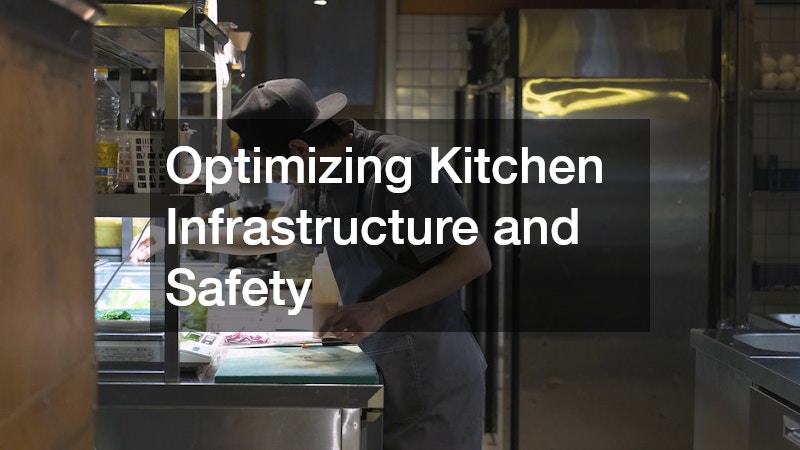
While an impressive dining room attracts guests, an efficient, safe kitchen keeps the business running profitably. Backend operations must adhere to stringent municipal building codes, fire safety guidelines, and environmental regulations. Neglecting kitchen infrastructure can lead to catastrophic equipment failures, costly emergency shutdowns, or dangerous health code violations. Upgrading your core food preparation equipment and exhaust systems improves daily workflow, safeguards your staff, and ensures long-term operational continuity.
An efficient, compliant exhaust arrangement is the foundation of any commercial kitchen setup. Proper ventilation pulls heat, grease-laden vapors, smoke, and moisture out of the cooking environment, protecting air quality for line cooks and guests alike. Arranging for a professional restaurant kitchen hood installation guarantees that your ventilation framework is custom-fitted to your specific cooking line, meets local fire codes, and effectively manages high-volume thermal exhaust.
Maintaining Rigorous Ventilation Standards
- Establish a strict schedule for replacing and cleaning baffle filters to keep airflow strong and reduce strain on exhaust fan motors.
- Inspect ventilation fan belts, pulleys, and electrical connections monthly to identify minor mechanical wear before a breakdown occurs.
- Train kitchen staff to operate ventilation systems whenever gas burners or fryers are active to avoid grease accumulation on kitchen surfaces.
- Hire an accredited restaurant exhaust cleaning service on a regular cycle to thoroughly remove flammable grease build-up from internal ductwork and exhaust fans.
Managing Kitchen Oils and Waste Responsibly
Commercial fryers require precise management, safe handling procedures, and responsible waste disposal systems. Storing bulk oils safely prevents dangerous floor spills, reduces burn hazards for kitchen personnel, and streamlines line prep during busy dinner shifts. Installing dedicated cooking oil tanks gives your culinary team an organized, closed-loop system for holding fresh oil and transferring spent fry oils safely without heavy manual lifting.
- Utilize dedicated bulk oil storage units equipped with direct-fill pumps to eliminate manual container handling and lower workplace injury risks.
- Monitor oil quality daily using testing strips to ensure deep-fried foods retain high quality without early oil degradation.
- Implement a structured filtering schedule to double the lifespan of fresh oil, keeping food costs manageable throughout the year.
- Partner with a licensed service for cooking oil recycling to safely collect used grease, turn waste into biofuel, and generate a small secondary income stream.
Enhancing Operations and Tech Integration
Modern operational efficiency relies heavily on integrating modern technology into your front-of-house and back-of-house workflows. Upgrading your point-of-sale systems, inventory tracking software, and visual communications equipment speeds up service, cuts down on costly human errors, and boosts table turnover rates. When operations run smoothly behind the scenes, your service team can focus entirely on delivering exceptional hospitality to every guest who walks through the door.
Clear visual communication across the line dramatically improves ticket times and order accuracy. Kitchen display systems and visual monitoring setups ensure that line cooks, expeditors, and kitchen managers see modifications, allergen warnings, and priority orders clearly. Placing a crisp 4k broadcast monitor at the expeditor station or in management oversight areas gives staff a ultra-clear view of pending order queues, security camera feeds, or live digital performance dashboards.
Harnessing Data for Operational Control
- Integrate inventory software directly with your point-of-sale terminal to track ingredient usage in real time and lower overall food waste.
- Utilize kitchen display systems instead of traditional paper tickets to minimize lost orders and provide accurate timing data for cooks.
- Track hourly sales patterns to build precise staff schedules that reduce labor costs during slow mid-afternoon operational periods.
- Monitor key performance metrics like average ticket size, table turn times, and item profitability to continuously refine your core menu.
Streamlining Front-of-House Systems
- Implement mobile handheld ordering tablets for servers to send drink and app tickets to the kitchen directly from the table.
- Utilize automated waitlist management platforms that text guests when their tables are ready, preventing crowded waiting areas.
- Enable contactless payment methods at the table to speed up check settlement times and free up server availability.
- Train hosts on guest reservation software to maximize table seating configurations during peak weekend dining shifts.
Driving Customer Acquisition and Loyalty
Attracting new customers while keeping existing guests engaged requires an intentional blend of localized marketing, community outreach, and digital presence management. In today’s digital landscape, potential diners research menus, read online reviews, and view food imagery long before they make a dining decision. A proactive marketing strategy ensures that your restaurant remains top-of-mind across your immediate geographical area and digital discovery channels.
Developing a dynamic online presence begins with claiming and optimizing all local business directory listings. Ensure that your address, phone number, operating hours, and current menus are consistent across all major search engines and social platforms. Consistently updating your digital presence with high-resolution photography of popular menu items and seasonal specials creates an enticing online storefront that converts online searches into real-world table reservations.
Mastering Local Digital Marketing
- Maintain an updated profile on local search directories with accurate operational hours, parking details, and direct menu links.
- Respond promptly and professionally to all online reviews, showing prospective guests that you value customer feedback.
- Launch targeted local social media ad campaigns focused within a five-mile radius of your establishment to highlight lunch specials or happy hour deals.
- Encourage satisfied diners to leave positive feedback on review platforms by providing short links on receipt bottoms or table displays.
Cultivating Guest Loyalty and Retention
While acquiring new guests drives immediate traffic, long-term restaurant growth relies on maximizing the lifetime value of your existing customer base. Implementing a structured customer loyalty program encourages repeat visits by rewarding frequent diners with exclusive perks, discounts, or complimentary items. Simple, digital loyalty programs integrated directly into your point-of-sale system allow guests to accumulate points using their phone numbers, eliminating the friction of physical punch cards.
- Offer sign-up incentives, such as a free appetizer or dessert on the next visit, to quickly build your customer email database.
- Send targeted email promotions featuring birthday gifts, anniversary discounts, or early access to seasonal menu releases.
- Host exclusive tasting events or wine-pairing dinners for VIP loyalty members to build a strong sense of community around your brand.
- Gather guest feedback through short digital surveys following catering orders or private event bookings to continually refine your service model.
Scaling Through Menu and Revenue Expansion
Expanding your restaurant business often requires looking beyond traditional seat capacity inside your dining room. Diversifying your revenue channels allows you to maximize your existing kitchen footprint and labor resources without adding significant real estate overhead. By introducing off-premises dining channels, catering services, and branded retail merchandise, you can tap into fresh revenue streams that sustain business growth throughout the entire year.
Developing a robust corporate and private catering program allows your culinary team to utilize kitchen capacity during traditionally slow morning hours. Catering high-margin items like office box lunches, party platters, and buffet setups brings in substantial bulk orders with predictable food and labor costs. Additionally, catering exposes your menu to new potential customers who may subsequently visit your dining room for personal meals.
Expanding Delivery and Off-Premises Dining
- Package takeout orders in high-quality, ventilated containers that preserve food temperature and presentation during transit.
- Designate a separate pickup counter near the front entrance so delivery drivers do not disrupt the flow of dine-in guests.
- Optimize your online ordering interface for mobile devices to make direct ordering effortless for off-premises customers.
- Offer specialized family-style meal bundles that provide high value for customers while maximizing profit margins for off-premises sales.
Unlocking Additional Revenue Streams
- Sell branded merchandise such as apparel, signature hot sauces, specialized spice rubs, or custom glassware directly at your host stand.
- Host weekend cooking classes, cocktail masterclasses, or private chef dinners during off-peak operational hours.
- Partner with nearby corporate offices, event spaces, or wedding venues as an approved vendor for catered events.
- License popular proprietary menu items or signature packaged goods for distribution through local grocery stores and specialty markets.
Sustaining Long-Term Business Success
Achieving sustainable restaurant growth requires continuous attention to both macro-level business strategies and micro-level operational details. By creating an attractive physical setting, maintaining an impeccably safe kitchen infrastructure, adopting modern operational technologies, and pursuing innovative marketing strategies, you position your establishment for steady financial success. Each improvement reinforces the others, yielding a seamless dining experience that delights guests and keeps your operations running smoothly.
Growing a restaurant business is an ongoing journey of refinement and adaptation. As consumer preferences shift, economic conditions evolve, and new technologies emerge, successful restaurant operators remain agile and proactive. Regularly assessing your operational standards, physical facility, and financial performance ensures that your brand stays competitive, highly profitable, and well-positioned for long-term expansion in your local dining market.